



News
Pantex Proud: John Neusch

Thousands of dedicated Pantex citizens like John Neusch work every day to support the Pantex mission. Take three minutes to learn about who he is, what he does, and why he is proud to be a Pantexan.
During World War II, Arnold Neusch was set to be part of the initial diversionary invasion of Japan named Operation Downfall. Scheduled to begin in November 1945, it would have been the largest and presumably deadliest water-based invasion in history. In August of that year, the U.S. dropped atomic bombs on Hiroshima and Nagasaki. Japan surrendered shortly after and the Allies cancelled Operation Downfall.
After the war, Neusch married and returned to farming, however, tough times forced him to turn to a different career. Although Pantex was not affiliated with the atomic bomb drops in Japan, Neusch felt a deeply personal association with the plant’s mission. Soon after, he started work there. His son, John, later followed in his father’s footsteps.
John serves as a System Administrator Advisor within Information Technology, and every day his job reinforces his passion for nuclear deterrence. It also serves as a personal reminder of what might – or might not – have been. However, those thoughts and his passion for the mission further fuel another feeling: pride.
“Only a very small group will ever be able to say they work at Pantex,” Neusch said. “That group has made an enormous impact for the country and world. And for me, I take pride in continuous improvement like discovering new ways to build technological resilience and minimizing downtime which, in turn, provides system availability for other Pantexans to complete their jobs.”
Neusch works in the Data Center. He’s amazed at how much it has evolved over the years, including the downsized yet more powerful technology. He’ll take every opportunity to show the facility off to anyone who asks for a tour. Yet his work satisfaction and Pantexan pride circles back to why he (and his father) decided to apply for a job at the plant in the first place.
“Identifying with our mission,” Neusch said. “Our lives aren’t on the line every day like the military, but in our own way we do serve our country, and I appreciate that. Each one of us has our own unique duty, but all of our organizations are interconnected. Like the butterfly effect, what we do influences another job and that influences the mission. That should be our focus.”
Who in your life has inspired you the most and why?
My dad. He came from very humble beginnings and survived the Great Depression and World War II. He played hard, worked hard, and prayed hard. Dad always maintained a positive attitude and strong faith in God.
Why are communications important for all Pantex employees?
We need to be able to effectively communicate our needs and any occurring issues. The more we explain what is happening and discuss solutions, then we can resolve these problems much more smoothly.
What is the top communications tool you rely on in your daily work?
Teams, meetings, and email. When I first started working at Pantex 37 years ago, we didn’t have email. Instead, we did interoffice memos – mail delivered twice a day to mail stops around the plant. Microsoft Office absorbed much of that.
How can communications make (or break) a task?
During transition, we gave PanTeXas Deterrence the Clint Eastwood tour of the Data Center – the good, the bad, and the ugly. We showed them things that were going well and also what needed to be fixed or improved, and we communicated the importance of those needs.
She’s not like a regular mom; she’s a cool mom

Mother’s Day is on the horizon, and what better way to celebrate than to honor three Pantexan moms who get to share the value of mission success with their children?
Meet Mama Ginger
General Facilities Specialist Ginger Ball has been a proud Pantexan for six years. Ginger is thankful for her job every day, and a contributing factor to why she loves her job so much is because she gets to share her workplace with her son, Nick Ball; her daughter, Chassie Germany; and her son-in-law, Robert Germany. Admittedly, one of Ginger’s favorite things is when someone stops by her office to tell her what good kids she has. For Ginger, the mother-child dynamic has only been strengthened by working with her kids.
When reminiscing about her mom, Chassie thinks about how often her kids remind her how quickly she is turning into their Mema. “The way I cook, my jokes, my driving — the list goes on, ” Chassie said. For Nick, it’s the Saturday morning cleaning sessions. “I find myself doing room inspections just like she did with us when we were growing up,” Nick joked.
“Some people might be worried about working with their mother-in-law, but I was excited at the chance to work with Ginger; she is a take-charge type of woman who is always willing to help,” Robert said.
Chassie doesn’t have the privilege of eating lunch with her mom often, but when she does she usually spends it laughing with her mom and brother. Nick confessed that getting to eat lunch with his mom more frequently has caused a sibling rivalry because, “you know, being the ‘favorite’ child and all.” He says that one of his favorite things about working with his mom is laughing with her every day and the free lunches she packs.
When asked what this family would share about Ginger, the kindness overflowed. Chassie stated her mom is the most selfless person you will ever meet and anyone who gets to meet her is blessed because she is sure to brighten their day. Robert promises Ginger is the kindest soul you will ever have the privilege to meet. And Nick said his mom is devoted to her family, loves Jesus with all her heart, and without a doubt is the hardest worker he knows.
Alongside two other siblings, Chassie and Nick have blessed their mom with 15 grandchildren, filling Ginger’s weekends with extracurricular activities and being her grandkids’ biggest fan.
Collectively, this family has given Pantex 30 years of service. “Pantex has blessed my kids in many ways. Each one has grown with confidence and character that I am very proud of,” Ginger said. “They are wonderful parents and leaders in our community and they are kind, caring, and love God and their mom very much.”
Meet Mama Christy
The universe gifted Training Specialist Christy Gooch with her very own mini-me in the form of her daughter and fellow Pantexan, Sarah Gooch. Christy says she and Sarah share everything and are very similar in a lot of ways — so many of their hobbies and likes align in some way. “A lot of my mannerisms come straight from my mom. She is very crafty and creative, so every time I try a new skill, I have that moment where I feel just like her,” Sarah said.
For some, working with mom could be an added stress to their day, but Christy and Sarah have nothing but genuine pride when speaking about one another.
“I get to see my best friend so much more often. It always makes me smile even just seeing her in passing,” Sarah said. For Christy, she’s just glad to have her daughter close after her move back to Amarillo and to be able to witness Sarah thrive. “Although she is still so young, she has succeeded over and over again, and it never ceases to amaze me,” Christy said.
Having mission success as a shared interest has only reinforced their bond. In a lot of ways, the shared language and pride in their work at Pantex has built a stronger sense of understanding between Sarah and Christy.
When co-workers find out who Sarah’s mom is, they are quick to tell Sarah how much she looks like Christy or how lucky she is to have such cool parents. But if you ask Christy, she’s the lucky one. “Sarah is the most caring, intelligent weirdo you will ever meet and I hope that everyone gets a chance to know her,” Christy said.
Sarah reflects on what a blessing her mom is to everyone she meets — and for those who don’t know her, she tells them how extraordinary a person she is, and she’s even cooler as a mom.
Meet Mama Jennifer
Upon entering motherhood, most moms are hopeful their children are fully functioning, kind, contributing members of society. For Procurement Representative Jennifer Hudson, she was lucky enough to also get a best friend out of motherhood. Jennifer and daughter Randi Walker, both in the early years of their Pantex career, are looking forward to their move to the Pantex Amarillo Campus (PAC) to ensure they have at least one work lunch together throughout the week.
The proud mom of two believes without a doubt that she was put on this earth to be her kids’ mom. Jennifer boasts that raising Randi and her brother has been the absolute greatest accomplishment and privilege of her life.
“My momma heart swells with such joy and pride when they call or come home to be with us just because they want to be with us,” Jennifer said.
Not a day goes by that Randi doesn’t stop and think, “oh gosh, I’m turning into my mother.” Whether it be cleaning house, going to the gym, or talking to her four-year-old, she finds herself reflecting on her childhood and what it was like to have Jennifer as a mom.
Randi has a deep admiration for her mom and her newfound career at Pantex. “She transitioned in her career later in life and I know that jump took a lot of courage and dedication; it’s been so cool to watch her succeed,” Randi said.
“If I don’t get to hear Randi’s voice at least once a day, there is a hole in my day,” Jennifer said. “I love logging into my computer each morning and seeing her status on Teams. It’s my secret way of being able to check on her, and as a mom this soothes my soul.”
When asked what Pantexans should know about one another, mother and daughter had similar answers.
“Never underestimate my mom. No matter where she’s at or what she’s doing, she’s giving it her all,” Randi said.
“Randi gives 100% all the time to whatever task is in front of her,” Jennifer said. It is clear that Randi feeling more and more like her mom is more than a sentiment. With the hard work ethic that is being passed down in this duo, Pantex is lucky to have them.
Don’t get burned; grill safely this summer
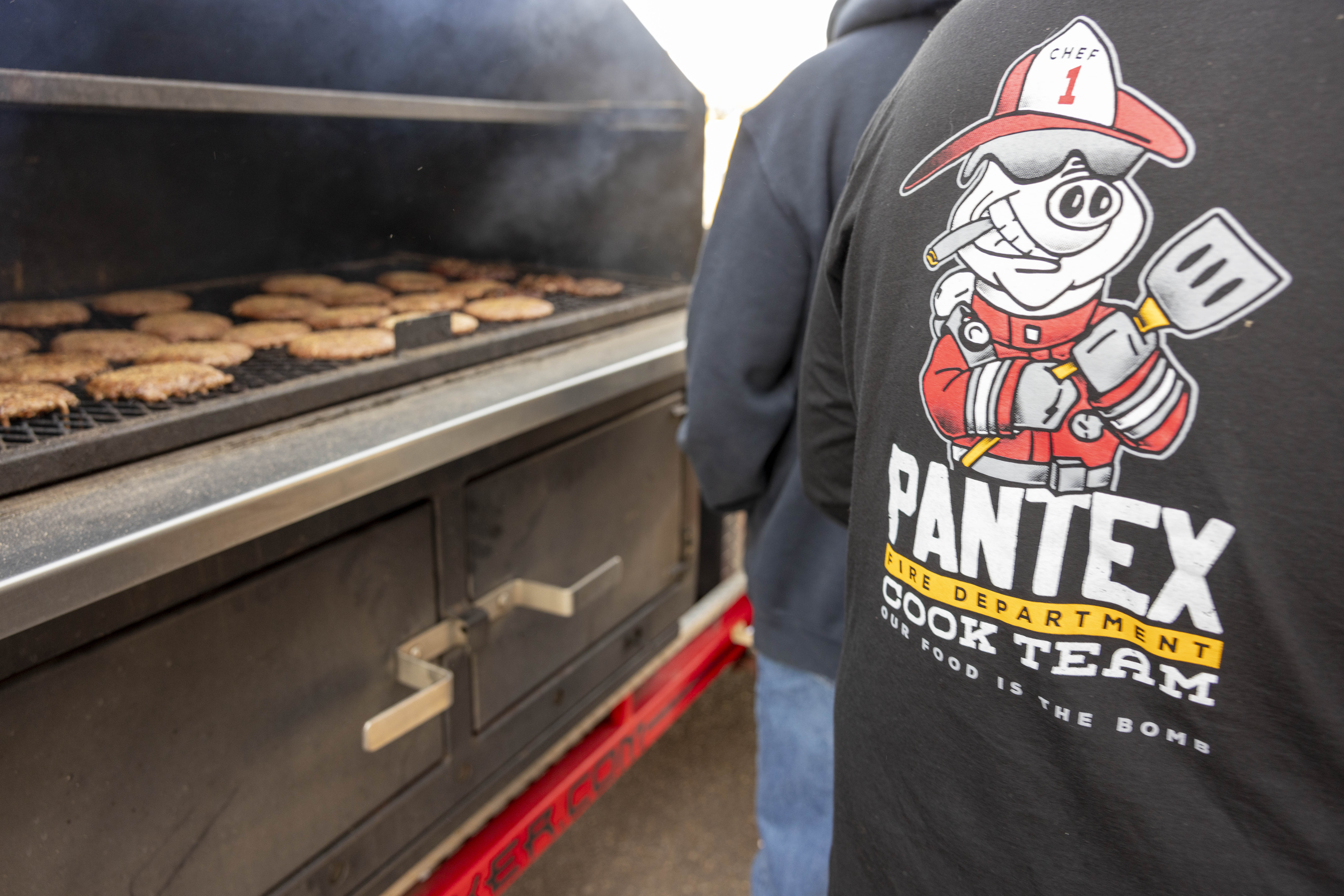
Safety, grilling, and community involvement are all things the Pantex Fire Department take seriously. Members grill at local events throughout the year to show people that Pantex is part of the community and to build trust and rapport. Battalion Fire Chief Jeremy Baker says he always puts safety first while representing the site grilling food at events.
“This past year our team cooked in the Amarillo Chamber of Commerce Good Times BBQ Cook-Off and the Together We Can Food Drive kickoff,” Baker said. “It’s good to do these events because it allows us to serve as ambassadors for Pantex. Our team does a great job at cooking brisket, steaks, and pulled pork, but ribs are usually the first thing that we run out of.”
Preparation is the easiest way to ensure safety when cooking out in the community or at home. Before firing up the grill, ensure it is not placed under a patio roof, has adequate clearance from structures, and has good ventilation. Baker notes it’s also important to properly maintain your appliances.
“The grill should be cleaned regularly to ensure a buildup of grease does not lead to a fire,” Baker said. “Grease often becomes aerosolized when cooking and can cause a buildup on the walls of a house if there is not at least a 10-foot space between the grill and the house. This grease buildup can ignite. It’s important that you inspect your fire extinguisher and grill prior to each grilling session.”
The National Fire Protection Association says an average of 22,155 patients per year go to the emergency room because of injuries involving grills. Safety & Industrial Hygiene Specialist Whitney Adams says safety outside of work is just as important as safety on site because, regardless of where you’re injured, it can impact your entire life.
“From the ability to spend time with your family, take care of yourself and your family, how you’re able to perform your job, or even your ability to come to work,” Adams said. “Statistically, people are more likely to be injured at home with one of the most common injuries being burns.”
Adams explains that burns or injuries from unsafe grilling at home can affect your job by potentially causing missed work due to the injury, temporary or permanent physical impairments that interfere with the ability to perform job tasks, and stamina to perform the same tasks as before the injury.
Before you fire up your grill, put precautions into place to keep yourself and others safe. Chief Baker shares tips:
- Check the gas tank on propane grills for leaks before using it for the first time this season. You can do this by applying soapy water from a spray bottle, applied from the connection at the tank along the hose to the connection at the grill. Then, turn on the tank and watch for bubbles to form
- Keep your grill clean by removing grease buildup from the grates and in trays below the grill
- Place the grill well away from your home, deck railings, and out from under eves and overhanging branches
- Always make sure the lid is open before lighting the grill
- If you choose to use starter fluid while charcoal grilling, only use charcoal lighter fluid. Do not add lighter fluid after the fire is lit. When you finish grilling, let the coals cool completely and place them in a metal container with a lid
- Never leave the grill unattended and keep children and pets at least three feet away from the cooking area
If there is a fire, try not to panic. Get a fire extinguisher and try to quickly extinguish the fire. If you are unable to extinguish the fire, make sure everyone is out of affected houses or nearby structures and call 9-1-1.
Grilling is a great way to make delicious food, spend time outdoors, and build community. Put safety first to prevent fires and make grilling a positive experience for everyone involved.
Hansen receives distinguished alumni award from alma mater
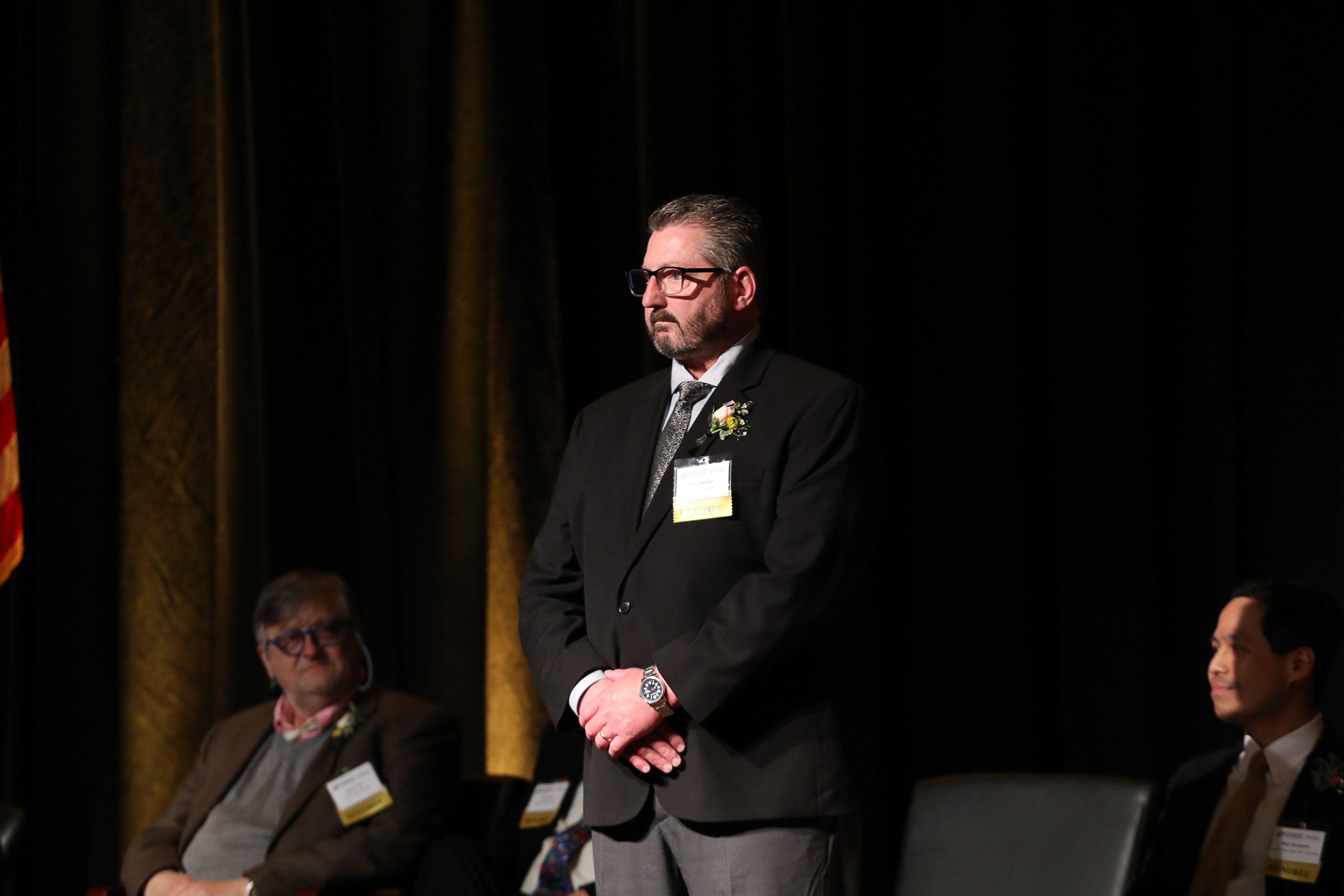
Lance Hansen is honored on stage during the Purdue Distinguished Alumni Awards.
Engineering Technical Operations Senior Director Lance Hansen has been honored with the 2025 Civil Engineering Alumni Achievement Award from the Lyles School of Civil and Construction Engineering at Purdue University.
Hansen is an accomplished senior leader with a distinguished career spanning over four decades in both civilian and military roles. He was selected in recognition of his outstanding career achievements and exceptional contributions to the profession.
“This is quite an honor, and a humbling one at that,” Hansen said. “I was a graduate student at Purdue in the early years of this award, and sometimes wondered how folks made their way through the profession to such recognition. I learned later there are many, many ways to have impact. My journey is just another one of those ways. I am happy to be considered a worthy addition to this cohort of Purdue professionals.”
Hansen graduated from Purdue with his Master of Science and Engineering in 1996 and his Doctorate of Philosophy in Environmental Engineering in 2002. Purdue provided Hansen the opportunity to focus on STEM and tie in important lessons in the humanities from his undergraduate at the United States Military Academy, which he attributes to molding his leadership style.
Hansen was presented the award during a ceremony at the university in West Lafayette, Indiana in April. He shared wisdom gleaned from his vast experience with current Purdue students, detailing his career story and offering guidance as they embark on their own engineering journeys.
“Engineering is a discipline that solves problems and creates foundations,” Hansen said. “There are a lot of problems to be solved and future foundations to establish. Some are physical, some are fiscal, some are philosophical, some are truly existential. The principles of engineering are not unlike the principles of logic or the principles of physics. Learn to leverage technical expertise with existential expertise of the humanities and physics. This is where originality and true discovery occurs. This is where the greatest impact on others will then manifest.”
Hansen joined the Pantex Engineering team in September 2024. As the Senior Director of Engineering Technical Operation, he leads a team focused on workforce assurance initiatives, spearheads business interface projects to improve internal communication within the division, and manages acquisition processes to increase operational efficiency.
This award showcases Pantex’s commitment to recruit and retain innovative leaders such as Hansen to the Nuclear Security Enterprise. Hansen says he is proud of the contributions he has made thus far, and encourages others to look to the future.
“Always keep learning and challenging yourself to think differently,” Hansen said. “Do what you love to do—be kind and thoughtful with others who love to do other things. They can be your greatest colleagues and advocates in the future.”

Paying tribute to fallen firefighters
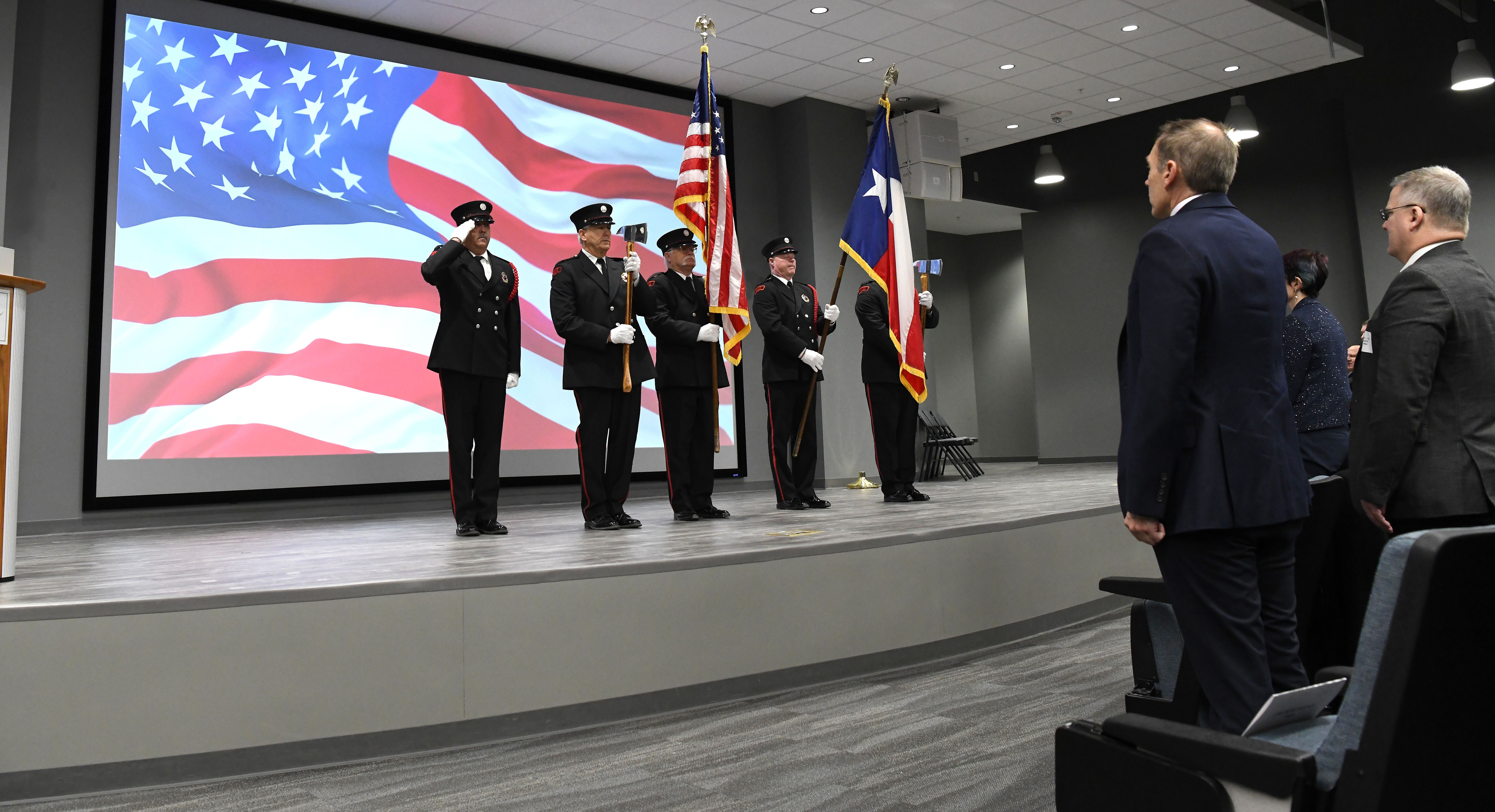
The Honor Guard performs at the B61 Last Production Unit Ceremony
Firefighter Memorial Day is observed on the first Sunday in May as a tribute to those who died in the line of duty. There were 62 firefighter deaths nationwide in 2024 according to the U.S. Fire Administration. While we dedicate that day to remembering those who bravely served, members of the Pantex Honor Guard show support for fallen first responders throughout the year by participating in funerals, memorials, and other events.
“Unfortunately, firefighting can be a deadly profession,” Assistant Fire Chief and Honor Guard member Bob Napp said. “We have participated in at least 12 funerals or memorial services for line of duty deaths or retired firefighters who have passed away. Most recently for the Perryton assistant chief and the Fritch fire chief.”
Fire service is rooted in duty, honor, and pride. The Honor Guard exemplifies these characteristics. Honor Guard members are responsible for executing precise movements during ceremonies, symbolizing the discipline and commitment likened to military service.
“It takes a lot of extra time and dedication to train,” Battalion Chief and Honor Guard Member Jeremy Baker said. “Our members represent the department at funerals voluntarily. It is an honor, not an obligation.”
The Pantex Honor Guard participates in various events including Veterans Day, Armed Forces Day, Independence Day, September 11 Memorial tribute, openings of facilities, and completion of program celebrations. Ceremonies often include the presentation of colors, where flag bearers present or retire a flag. Events are diverse and signify different things to each member.
“Every one of the funerals we have done is meaningful,” Napp said. “Members of our Honor Guard were present at the memorial service for the 11 firefighters killed in the explosion in West, Texas. We attended the funeral for the four Houston firefighters killed in a roof collapse. We did the funeral for the fire chief in Memphis, Texas.”
Performing at important ceremonies can be stressful yet fulfilling because of the desire to make everything perfect for the family of those being honored.
“We have so much planning and preparation that has to be done to ensure everything is exactly right,” Baker said. “Initially, depending upon the type of event, the feelings range from sadness to a great sense of pride.”
The Pantex Honor Guard was established in 2011 and currently has 14 dedicated members. Their very first performance honored a founding member of the guard who died in a weather-related crash outside of work.
“I’ve been a member of the Honor Guard since its inception,” Battalion Chief and Honor Guard member Anthony Dompe said. “Our first event was the funeral for the firefighter responsible for starting our Honor Guard, Jody Baker. That will always be a meaningful event to me. Our Honor Guard has had the honor of laying two of our own to rest as well as several firefighters in the panhandle. For me it is the most important thing we do.”
Honor Guard members encourage Pantexans to take time today to pause and remember fallen firefighters who served our communities through fire prevention, community service, and emergency response.
Pantex Proud: Josh Ragon
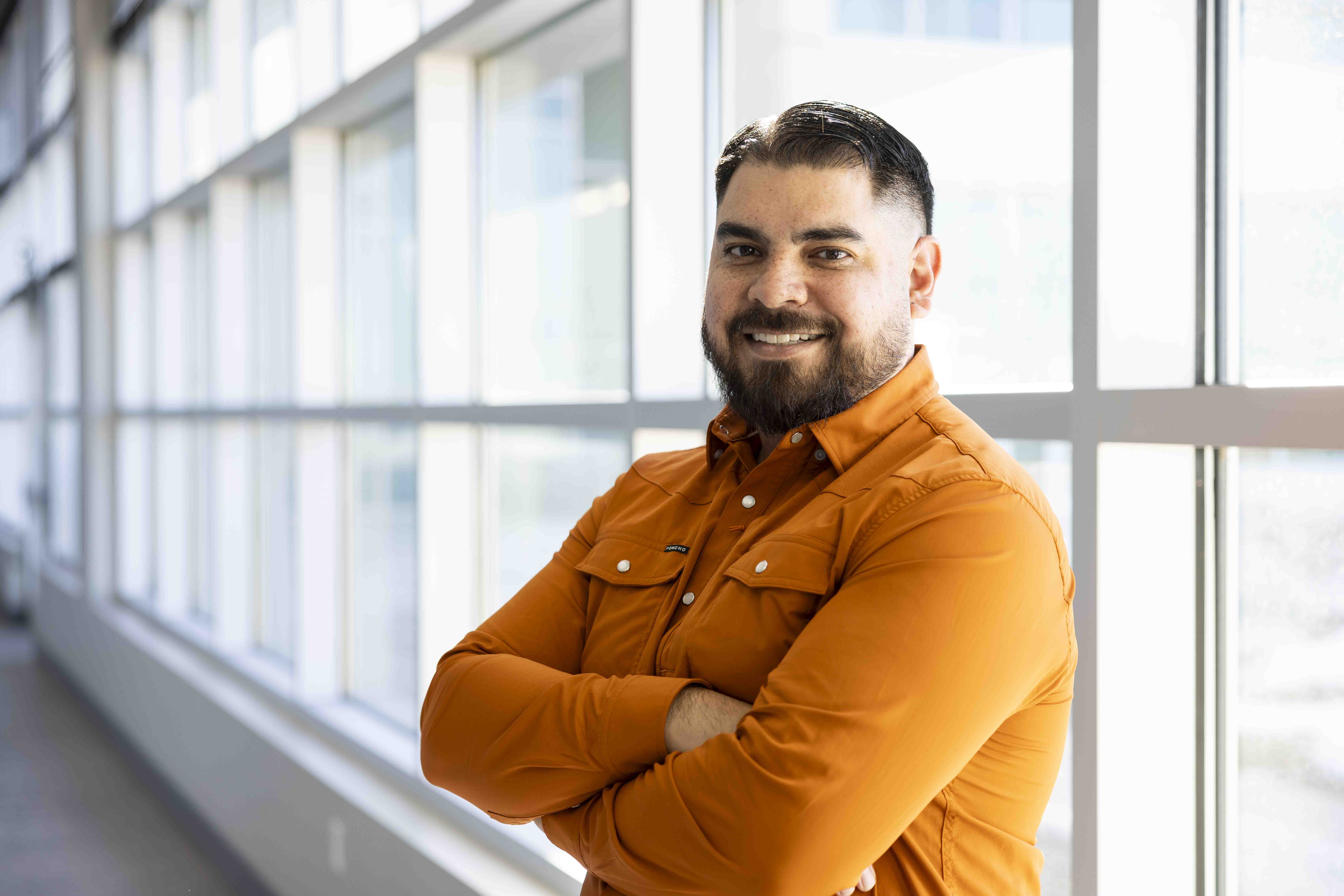
Thousands of dedicated Pantex citizens like Josh Ragon work every day to support the Pantex mission. Take three minutes to learn about who he is, what he does, and why he is proud to be a Pantexan.
Most Pantexans have received the infamous white paper requesting their presence at Occupational Health Services for drug and alcohol test screening. Although some individuals feel like they’ve been selected as tribute, the fact is all Pantexans are subject to these required, random tests — managers, custodians, SPOs, and everyone else. While this system works much like a lottery, it must be maintained and organized.
Enter Josh Ragon, drug and alcohol program coordinator — the man behind the medical curtain. He manages the drug and alcohol random pool, notifies for positive breath alcohol tests and drug screens, and makes decisions regarding vehicular incidents. It’s a role in which Ragon is proud to serve.
“I help keep the site and our fellow Pantexans safe by making sure we are all fit for duty,” Ragon said. “Don’t risk your life, the lives of your coworkers, the community, or the mission because of a lack of self-control. If you need support, just ask.”
At one point in his life, Ragon wasn’t involved in the medical field; real estate was his game. But instead of working to become the star of his own HGTV show, he headed to Pantex thanks to the encouragement of a Pantexan cousin of his. Ragon started at Access Control then moved to Medical. While his position – and the plant itself – may have changed during his six years here, one thing constantly surprises him.
“Just how diverse this workforce is,” Ragon said. “There are so many different positions, jobs, and people of various backgrounds and experiences. The culture is extremely friendly and inviting. Pantex really is its own little city.”
Pantex, the bustling nuclear oasis of the Texas Panhandle, is home to more than 4,600 employees. More than likely, each lovely Pantexan’s badge picture has popped on Ragon’s computer screen for a routine test. However, if he ever has the privilege to meet a Pantexan face-to-face, he’s quick to offer advice to new employees or those just trying to make it through the day.
“Follow the rules,” Ragon stated. “Rules are there for a reason. Also, don’t be afraid to ask for help. That includes asking me. I’m here to do what I can to help you figure it out.”
What’s your top bucket list item and why?
I want to travel. I’d love to go places, see new things, and explore, especially any place with a beach. Fiji is on that list for sure.
Why is it important we hold ourselves accountable in our daily tasks?
If you don’t hold yourself accountable, nobody else will do it for you. You have to take charge. Be honest and own up. Do what’s required to fix the issue, no matter the consequences. Putting off ownership makes it harder on yourself, and in some way, it’ll catch up to you.
How do our established procedures, administrative controls, rules, etc. help us in being accountable to PXD, Pantex, and our peers?
Without procedures, anybody could be doing whatever they want. Procedures are there to maintain a safe work environment. If we can can’t do something safely, then we shouldn’t do it.
Provide an example of lessons you’ve learned through overcoming a work-related challenge?
Starting at Pantex was overwhelming. Each position I’ve taken was a learning experience. The jobs were a trial by fire, so I learned the roles by asking questions and trying. It is better to ask than be wrong, but you also have to do the job to learn it.
Pantex’s star-spangled stallion sports a fresh look
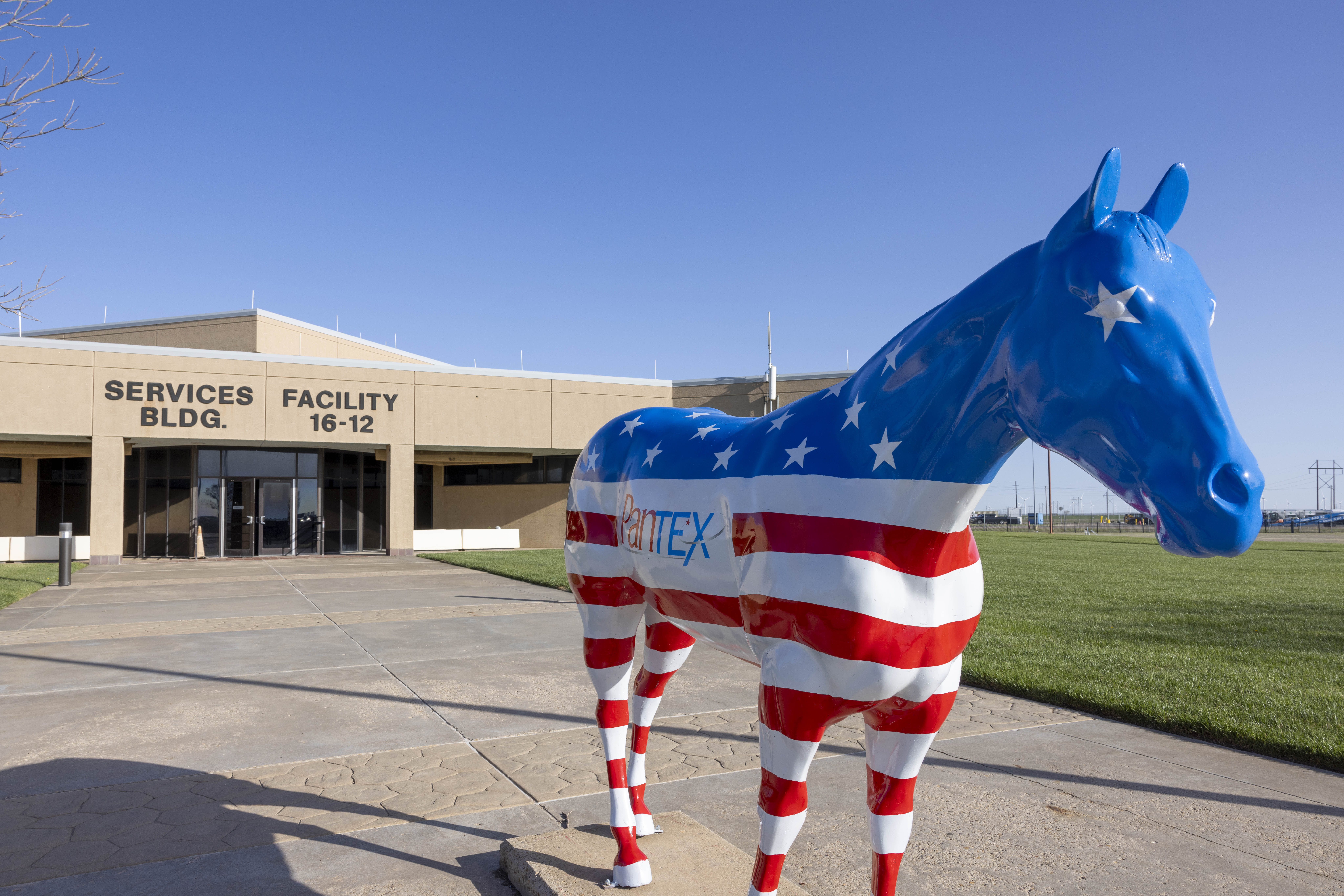
Across Amarillo, Canyon, and surrounding communities, about 100 likenesses of the American Quarter Horse dot the plains. Yet, these horses are unlike their living, breathing equine counterparts.
Collectively, the horses comprise “Hoofprints of the American Quarter Horse,” an art display created through a partnership between Center City of Amarillo and the American Quarter Horse Association. For more than a decade, one such horse has stood outside Building 16-12 welcoming visitors and employees.
Astute Pantexans may have noticed “Freedom,” the name given to the Pantex horse, has been missing since late October.
“Over time, the sun faded the beautiful artistic work of the U.S. flag and wind turbines displayed on the horse,” remarked Mission Assurance Officer Colby Yeary. “Just as our aging infrastructure is being recapitalized over time, the horse needed a refresh as well.”
The weather-worn horse was in desperate need of repair. Local artist Gary Ward, a former Canyon art teacher, came highly recommended. Ward, as it turns out, is responsible for the creation and restoration of many of the Hoofprints displays.
“I taught art and computer graphics in Canyon for 25 years,” he explained. “I’ve done a lot of [the horses] — no idea how many, really. I’ve been doing them ever since they started, probably half of them or better. I’ve either done the originals or, like with yours, I’ve been the one repainting them.”
Ward sanded, primed, then repainted Freedom with both automotive and spray paints, adding printed vinyl decals for logos or intricate details — things like the Pantex logo and numerous stars. Finally, the finished product was covered with a durable automotive clear coat.
Yeary said Freedom’s journey reminds him of the cooperation, camaraderie, and national pride exhibited by Pantexans every day.
“For me, it is a symbolic representation of our community, along with the patriotism we embrace as Pantexans,” he said. “As visitors, new employees, and existing employees enter and exit 16-12, seeing this horse can create a lasting impression of our site and what Freedom symbolizes to them.”
People of Pantex: Trent Jones
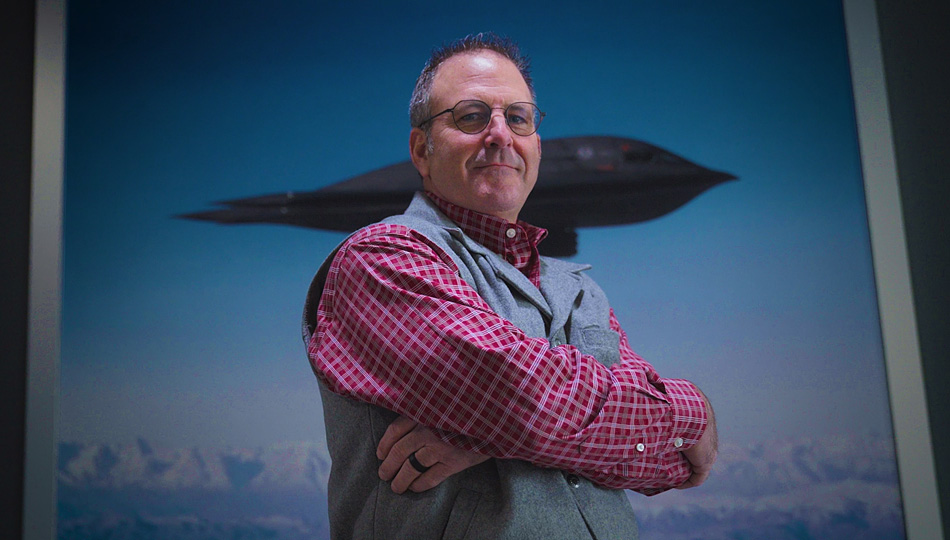
People of Pantex is a series that highlights what makes Pantexans unique when they are not at our plant and how those activities help them contribute to the mission.
Production Manager Trent Jones takes pride in being a third-generation Pantexan. You may know him, or have seen him around giving a facilities tour, presenting on a new production milestone, or chatting with coworkers in the hallway.
Or selling your grandmother’s Buick.
Jones may have followed in his family’s footsteps out to Pantex, but he was the first to become an auctioneer.
“I had a good friend from church that has an auction company in town, and he influenced me to go to auction school,” Jones said. “Auctions are a thrilling experience, and I’ve always wanted to learn the trade.”
Jones is a licensed auctioneer through the state of Texas, and as such, he has a fiduciary duty to the seller. In a nutshell, he does his best to bring market value to the product being sold, be it a decade-spanning coin collection, ragged patio furniture, or an antique Mustang convertible. Yes, he’s really auctioned off all of those things, and truckloads more...including the trucks.
To do all of this, however, Jones made like Rodney Dangerfield and went back to school.
“I had to memorize numbered drills and tongue twisters before I actually went to auctioneering school,” Jones said. “When I got there, I went through 80 hours of classroom instruction and did some live auctioneering. Additionally, every year I have to complete six hours of continuing education to keep my license.”
Along with schooling, auctioneering students must learn how to perform one trademark characteristic: bid talking. Bid talking is the rhythmic repetition of numbers and filler words, or simply put, the fast-paced, energetic talk we associate with auctioneers. Jones strives to improve, even if it means selling a gently used set of vintage telephone poles as he drives by them.
“It’s just consistent practice every day,” Jones said. “But running your mouth and bid calling is the easy part. The hard part is getting ready for an auction.”
Jones has traveled the Texas Panhandle and down south to Dallas and Waco to sell all types of goods for all types of people. Depending on the venue, he may be in a suit and tie under the glow of a chandelier or in Wranglers and a ballcap kicking up dirt in the country.
With any great performance, a strong warm-up routine is crucial. For Jones, he enjoys reciting tongue twisters before going live. “Betty Botter” with her bitter butter and better batter is always reliable. Jones is familiar with taking center stage, yet he still feels the winged metaphorical cocktail of nervousness and fear in his stomach.
“I’ve worked some auctions before and you start off auctioneering and nobody’s raising their hand,” Jones said. “You’re thinking ‘oh my God, this is going to be a bloodbath,’ but once you get the rhythm going, get the butterflies gone, and excite the crowd, it’s smooth sailing.”
Auctioneering and Jones’ work role share two major similarities. First, public speaking since he gives tours and presentations at Pantex.
The second?
“Teamwork,” Jones said. “In every auction, there’s people that you’re counting on. The clerk is the one taking all your numbers down. A lot of times I don’t remember what I said and I rely on them to repeat it back. You also have a ring man and other auctioneers that you work with. Again, it’s just teamwork. Same thing at Pantex.”
The longer Jones has stayed at Pantex, the more he has realized how truly blessed he is to be part of an enriching work environment and spirited dynamic. What has kept him auctioneering, however, appeals to his adventurous side.
“The auction business is exciting and challenging,” said Jones. “It’s also an adrenaline rush and I need that from time to time. I believe in continual education and always learning something new. Auctioneering is just one of the ways I get to do all of that.”
Pantex recognized for lifesaving contributions with two awards from Coffee Memorial Blood Center
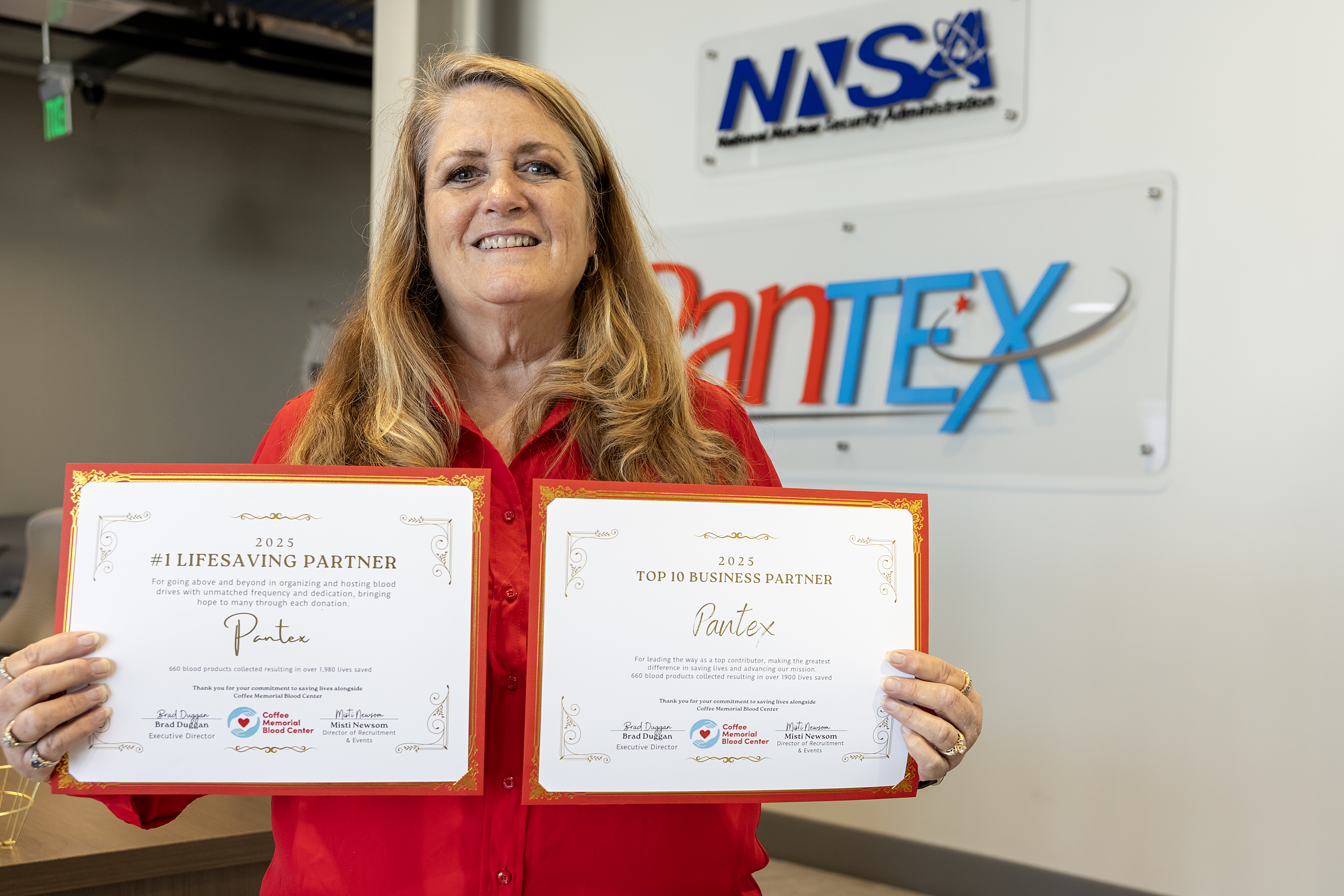
Pantex Occupational Health Services General Administrative Specialist Sandra with the two awards Pantex received from Coffee Memorial Blood Center.
Imagine saving a life with just a few moments of your time. Donating blood is not just a selfless act but also a gift of hope. In a world where every drop counts, rolling up your sleeve to give could be the reason someone gets a second chance.
Pantex has received two awards from Coffee Memorial Blood Center, recognizing its significant role in helping save lives through blood donations. The awards honor the dedication of Pantexans who have consistently contributed to the center’s mission of providing essential blood supplies to 31 counties in the region.
Pantex earned the #1 Lifesaving Partner Award, collecting an impressive 660 donations in a single fiscal year. This achievement earned the plant top honors, securing the number one spot in the Top Ten Business Partners.
Pantex Occupational Health Services General Administrative Specialist Sandra Lightfoot said, “I didn’t even know it was a competition, but it’s one of those things where whoever has the most donations wins.”
Other awards were given out to top 10 high schools, community health centers, hospitals, and churches.
Pantex hosts a bloodmobile on-site, offering employees the opportunity to donate blood every two weeks. Since the bloodmobile began visiting the plant in 2002, the relationship has become a vital part of the center’s operations.
Misti Newsom, director of recruitment and events at Coffee Memorial Blood Center said, “Pantex takes a huge burden off of us with the reliability of being able to come every two weeks.” She continued, “We know and trust that we will be able to collect a minimum of 20 donations while at Pantex, and we’ve even had several blood drives where we left with more than we expected. It’s such a blessing.”
An individual can give blood every 56 days. In addition to regular whole blood donation, Coffee Memorial Blood Center offers the option of a collection process that collects a concentrated amount of red blood cells are then separated from the blood. The other blood components are returned to the donor.
“This type of donation especially helps those with sickle cell anemia or those with a high amount of blood loss.” Lightfoot said. “This type of donor needs to advise they want to do this ahead of time as it is a longer process.”
Lightfoot explained that when urgent needs arise, she sends out emails to encourage additional donations. “Our Pantex community really wants to do their part in helping out. That’s what really brings it home.”
Blood donations have a profound impact, with just one unit of blood capable of saving up to three lives.
“We have to collect 125 units a day to take care of our area patients,” Newsom explained. “Pantex is an invaluable partner in helping us meet this demand. The donors at Pantex are truly altruistic, and we can never thank them enough.”
The awards received from Coffee Memorial Blood Center are a testament to the unwavering support and dedication of the Pantex community.
“All kudos need to go to the Pantexans who donate, even if they donated just once,” Lightfoot said.
For those considering donating blood for the first time, Newsom shared a few tips to make the experience as comfortable as possible. “Be sure to eat well the day of your donation and drink plenty of fluids the day before and the day of your donation,” she advised. “Also, don’t look at the needle — just look at your phone or something else. Flexing your glutes and thighs can also help the blood flow during donation. And the most important thing is that you’re saving someone’s life!”
Pantex’s partnership with Coffee Memorial Blood Center is one way the site gives back to the Texas Panhandle community it calls home. Those employees who participate in giving blood are doing their part in being a “Pantex Citizen.”
If you’re interested in donating blood at a Pantex blood drive, keep an eye on The Zone for announcements on upcoming drive dates and times.
Pantex Proud: Kevin Baird

Thousands of dedicated Pantex citizens like Kevin Baird work every day to support the Pantex mission. Take three minutes to learn about who he is, what he does, and why he is proud to be a Pantexan.
When thinking of jobs at Pantex, many options seem obvious like Production Technician, Security Police Office, and Cyber Security. Others seem like a confusing word association game: high explosives - nuclear deterrence – prairie dog. When Wildlife Biologist Kevin Baird applied to work at the plant, a similar thought ran through his mind.
“Never in a million years did I think of wildlife biologist as a position at a nuclear facility,” Baird stated. “I was blessed to get a position out here and really surprised by the amount of natural space we have and the diversity in the wildlife population.”
Baird’s education and experience gave him a deeper understanding of nature and wildlife preservation, but now his expertise and duty extend to the animals prancing, slithering, and foraging across the estimated 16,000 acres belonging to Pantex.
“I am responsible for running the nuisance animal response team and training new team members,” Baird said. “My role is to address any concerns or issues that may arise regarding wildlife and natural resources. I also oversee the protection and maintenance of our wild areas to preserve them in as natural state as possible.”
Although Baird is continuously fascinated by the furry, feathered, and scaley creatures wandering the plant, there’s another Pantex native mammal that truly stands out to him.
“The people,” Baird said. “There are many different programs, teams, and departments, hosting an array of people from diverse backgrounds. They’re all friendly, helpful, and quick to get the job done. They also do whatever they can to help other groups that may be outside of their immediate department. “
Such comradery in the workplace is healthy and inviting, and in Baird’s case it’s one of the many reasons he loves Pantex. Working here has also afforded him personal growth, and a chance to serve toward a unifying goal.
“There are a lot of great people and opportunities that continue to increase my knowledge of natural resources, and the support to try new things in order to improve and maintain our local habitats,” Baird said. “I may not be directly involved with production, but I know my role is important to help keep things running smoothly. I take pride in knowing that I’m doing my own small part to help protect our nation by enabling the mission. I’m glad I’m here.”
What is your favorite aspect about your work environment? How does that aspect make you know the mission is being met?
Assisting with wildlife concerns. This allows me to go all over the plant and meet and interact with employees across all departments. When I take part in resolving a situation, I know that I’m helping protect my fellow employees from possible injury and ensuring that the mission can continue smoothly.
What work advice would you offer someone who is new to Pantex?
Always ask questions about how and why things are being done a certain way. Be willing to offer suggestions for improvements, but take time to learn the processes and the reasons behind them first. Also, try to meet and interact with as many people from as many different departments as possible. As you continue in your career, those connections will greatly help you find unique solutions to problems and to get things done in an expedient manner.
What’s your favorite outside-of-work activity and why?
Spending time with my wife and daughters. We like going to new places and traveling off the beaten path to explore areas that aren’t always the normal vacation or tourist destinations.
Why is teamwork an important aspect when working at Pantex?
Everyone has a different job, experience, and knowledge set. Working together with other members of your group or across orgs allows you to tap into those different perspectives and try to anticipate issues you may not have anticipated. Additionally, you can leverage these various skills to more efficiently resolve issues and complete tasks.