



At the heart of the nation's nuclear security enterprise, the Pantex Plant plays a critical role in maintaining the safety, security, and effectiveness of the U.S. nuclear weapons stockpile. This vital mission, rooted in the foundational science of the atomic age, surprisingly brings a direct connection to one of history's most recognizable scientific figures: J. Robert Oppenheimer, often called the “father of the atomic bomb.” While Oppenheimer himself never set foot at Pantex, his legacy and the profound impact of his work is still evident today.
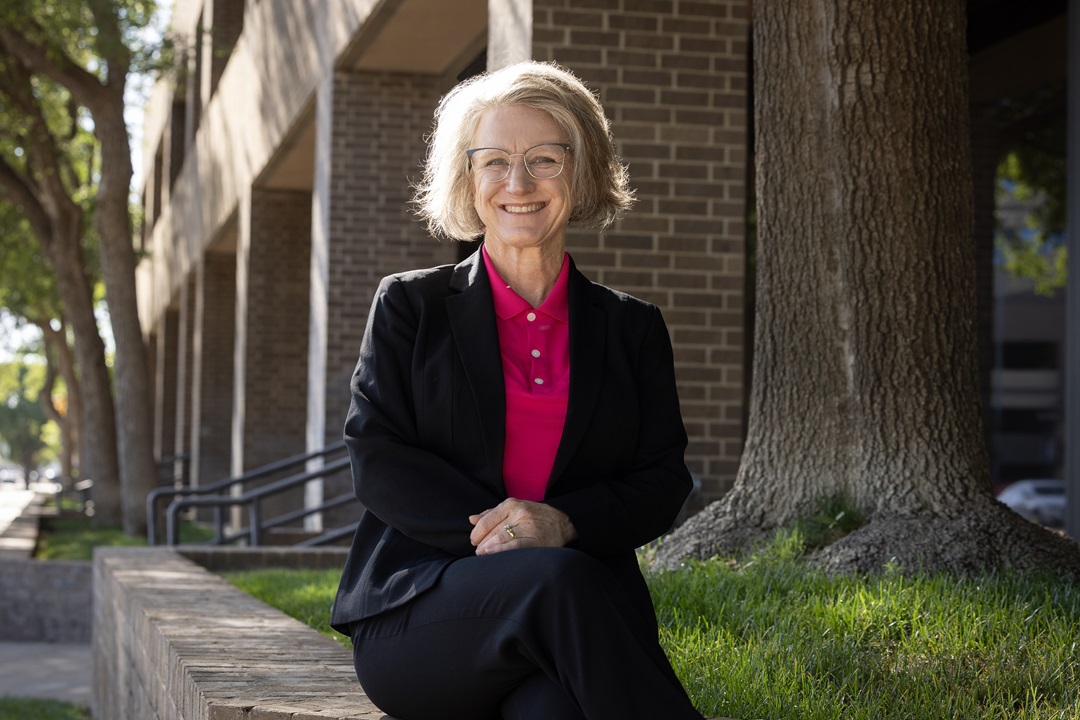
This connection became clear when Dr. Dorothy (Oppenheimer) Vanderford, J. Robert Oppenheimer's granddaughter, recently visited the Pantex Alternate Emergency Operations Center. A contractor for the Department of Energy, Dr. Vanderford works within the National Security Enterprise and her presence not only brought a direct familial link to the architect of the atomic bomb but also highlighted the human story behind nuclear deterrence.
"There are different people in the family who feel a little more strongly against nuclear weapons, and I have not mentioned this before; that my father would take us on trips to protest nuclear testing,” she said. “And that is what’s so interesting about my grandfather; he wasn’t just a scientist. He was a fully-fledged human being. And it turns out we all are. And that’s what the movie did … brought a humanity to the science. Speaking for myself, nuclear weapons are not going away. It's better to embrace them and keep them maintained.”
Her first visit to Pantex focused on her work with the application of the Emergency Communications Network Program (ECNP) which ensures robust communication channels, while supporting the national security framework at government sites.
"Well, we’re here to perform a site survey…we want to find out what can we do for you? What do you need? What new capabilities are you looking for? So, really, it’s customer care. We have these mobile kits; a satellite network that’s always available, and we can go basically anywhere in the world. We’re continually expanding and looking at new technology.”
PanTeXas Deterrence President and General Manager Dr. Kelly Beierschmitt adds another layer to the Oppenheimer history. After his arrival at Pantex, the media team at Los Alamos requested an on-camera interview, asking if he would recall some of his memories during his time there.
He recalled a very personal connection he made with Oppenheimer when Los Alamos began the process of digitizing historical files for the Smithsonian.
“When I first started there, I actually loved the classified library," Beierschmitt said. “You would put on white cloth gloves and get to hold Oppenheimer’s log book with all of his personal notes. He was monitoring both Hiroshima and Nagasaki drops and doing calculations almost in real time as they were getting information back. It was truly fascinating.”
Hearing this account about her grandfather’s connection to Pantex, Dr. Vanderford’s face lit up.
“I understand the feeling of being close to my grandfather’s handwritten objects. And I continually appreciate when people say they had sort of an emotional reaction to my grandfather’s artifacts because it brings that human element.”
While J. Robert Oppenheimer never walked the grounds of the Pantex Plant, his intellectual footprint undeniably shaped the world that necessitated its creation and continues to guide the site’s mission.
Through the dedicated work of individuals like Dr. Dorothy Vanderford, and the reverence for history shown by leaders like Kelly Beierschmitt, the human element at the core of national security, forged in scientific discovery, continues to evolve and thrive at Pantex.